

14 October 2026
PowerHow to Prepare for a Power Cut in the UK: A Practical Guide
Learn how to prepare for a power cut in the UK with a practical checklist covering emergency lighting, food, water, heating, communications and family safety.
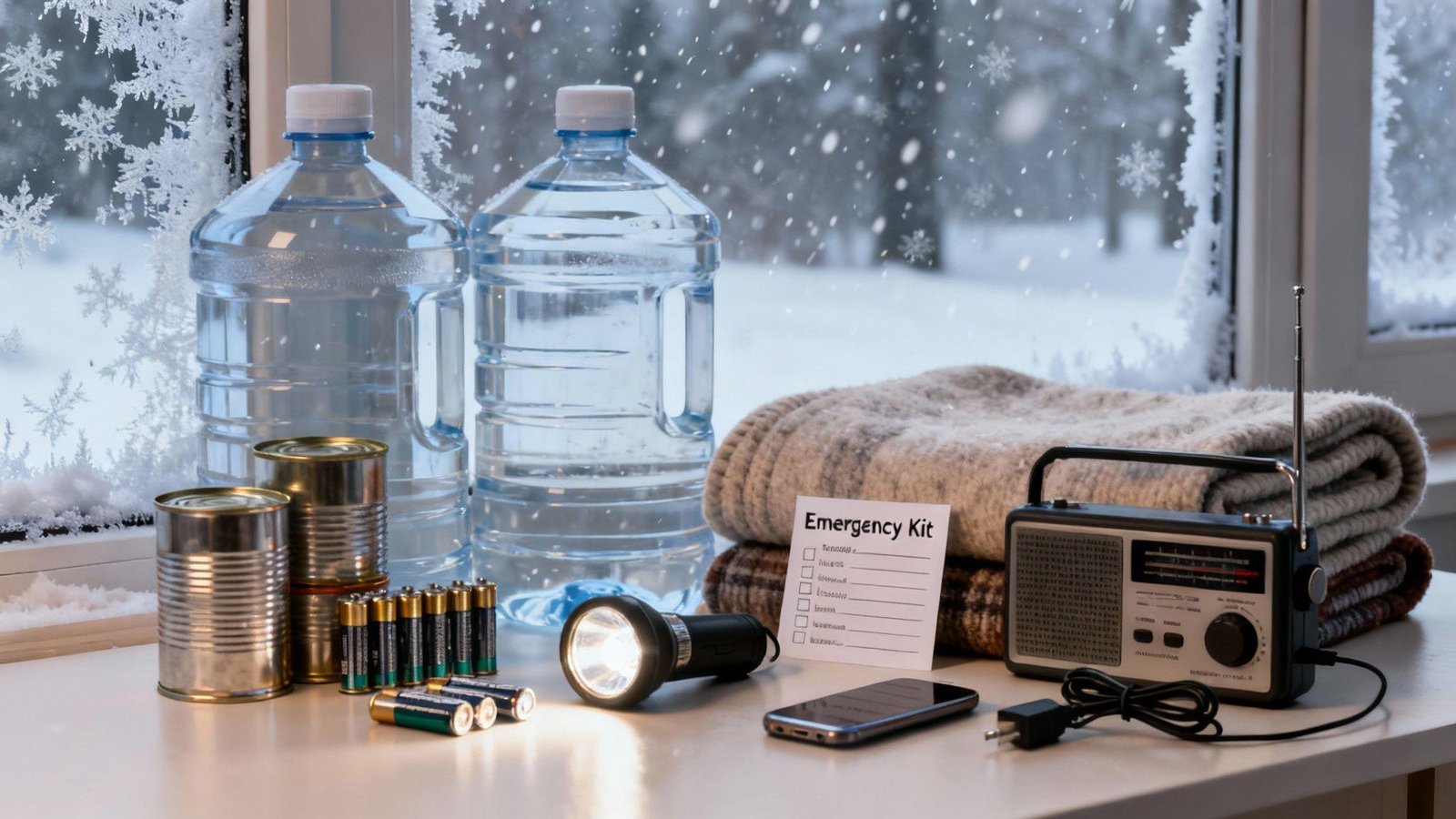
How to Prepare for a Power Cut in the UK: A Practical Guide
Imagine it's a cold January evening. The wind is howling outside, the rain is hammering against the windows, and you're halfway through making dinner when everything suddenly goes dark.
The lights go out. The television switches off. Your Wi-Fi disappears, and the heating stops working.
At first, it's an inconvenience. But what if the electricity doesn't come back on for several hours? Or overnight?
For most of us, electricity is something we barely think about until it isn't there. Modern homes depend on it for heating, cooking, lighting, communications and, in some cases, essential medical equipment. Even a relatively short outage can disrupt the normal rhythm of family life.
The good news is that preparing for a power cut doesn't have to be expensive or complicated. A few sensible precautions, some basic emergency supplies and a little forward planning can make a significant difference.
In this guide, we'll look at how to prepare for a power cut in the UK, what to keep in your emergency kit, how to stay warm and fed, and what to do if the lights go out unexpectedly.
1. Understand why power cuts happen
Power cuts can happen for several reasons. Severe weather is an obvious cause, particularly during the autumn and winter months, when strong winds, heavy rain, flooding and falling trees can damage electricity infrastructure.
Other causes include equipment faults, damage to cables and planned maintenance.
Most power cuts are local and relatively short-lived. However, longer outages affecting larger areas are possible, so it's sensible to have a plan that goes beyond simply waiting for the electricity to return.
Think about how your household would cope without power for:
-
Two hours: Could you find a torch, keep your phone charged and prepare a simple meal?
-
Twelve hours: Would you have enough lighting, food, warmth and drinking water?
-
Twenty-four hours or longer: Could you manage without normal heating, cooking facilities, internet access or reliable mobile communications?
You don't need to assume the worst. The point is to identify the things you rely on every day and decide what you would do if they suddenly stopped working.
Preparing for a power cut is just one part of building a more resilient home. Our guide to the Five Ds of Perimeter Security explores how layered protection can help safeguard your property.
2. Build a basic power cut emergency kit
One of the easiest ways to prepare is to assemble a small emergency kit and keep it somewhere accessible.
There's little point having a perfectly stocked cupboard if you can't find it in the dark.
Start with the essentials.
Lighting
Keep at least two torches in your home, preferably LED models with spare batteries or rechargeable batteries. A head torch is particularly useful because it leaves both hands free for cooking, carrying supplies or dealing with other tasks.
A rechargeable lantern is another worthwhile addition. It can illuminate a room without requiring everyone to rely on the torch on their phone.
Check your equipment occasionally. Batteries can lose charge, and rechargeable devices are no use if they've been sitting empty in a drawer for six months.
Torches are generally safer than candles. If you use candles despite the fire risk, never leave them unattended and keep them well away from curtains, bedding, children and pets.
Power banks and charging equipment
A charged mobile phone is one of your most useful emergency tools.
Keep a power bank available and recharge it periodically. A capacity of around 10,000–20,000 mAh is a reasonable starting point for many households, although your needs will depend on how many devices you have and how often you need to charge them.
A charging cable compatible with each household phone should live with the emergency kit.
You could also consider a USB-powered lantern or radio, provided you have a suitable backup battery.
Remember that a power bank only moves the problem along: eventually it needs recharging. During an outage, use your phone's battery-saving mode, reduce screen brightness and avoid unnecessary video streaming.
A battery or wind-up radio
If broadband and mobile services become unreliable, a battery-powered or wind-up radio can help you receive news and emergency information.
Choose a model you know how to operate and keep any spare batteries with it. Make a note of the local radio stations you can use for updates.
Don't wait until an emergency to work out how your radio works.
First aid and everyday essentials
Your kit should also contain a basic first-aid kit, essential contact numbers, any necessary personal supplies and a notepad and pen.
Wet wipes and hand sanitiser can be useful if water supplies or normal washing facilities are disrupted.
Store these items together, in a dry location that every adult in the household knows about.
3. Store food that doesn't need electricity
A power cut can quickly change the way you prepare meals, particularly if you rely on an electric cooker, microwave or induction hob.
The simplest solution is to keep a modest supply of food that can be eaten without cooking.
Good options include:
-
Tinned beans, chickpeas and lentils.
-
Tinned vegetables and fruit.
-
Crackers, oatcakes and crispbread.
-
Nuts, seeds and dried fruit.
-
Long-life milk or suitable plant-based alternatives.
-
Ready-to-eat meals that don't require heating.
-
Cereal bars and other convenient snacks.
Remember to keep a manual tin opener in your kit. It is surprisingly easy to overlook.
You don't need to buy a separate cupboard full of expensive emergency rations. Start by choosing foods your household already enjoys and gradually build a small reserve. Rotate items into your normal meals before their best-before dates.
Building an emergency food supply - If you're building your household food reserves gradually, start with foods you already eat and rotate them regularly. This makes preparedness more affordable and helps avoid unnecessary waste.
What about the fridge and freezer?
This is where a little discipline matters.
Keep refrigerator and freezer doors closed as much as possible. Every time you open them, cold air escapes and the temperature rises.
A full freezer generally stays cold longer than a partially filled one, but the actual time depends on the appliance, how full it is and the surrounding temperature. Don't assume frozen food is safe simply because it still feels cold.
Once power returns, follow official food-safety guidance and check whether refrigerated or frozen food has remained at a safe temperature. If you are unsure about a perishable item, don't risk eating it.
4. Store drinking water
Water is easy to take for granted, but it deserves a place in your emergency plan.
A power cut does not automatically mean your taps will stop working. However, electricity-dependent pumping and treatment systems can be affected during a wider incident, and you may experience interruptions to your water supply.
The UK Government's emergency preparedness guidance suggests a minimum of around 2.5–3 litres of drinking water per person per day for survival, with more needed for basic cooking and hygiene.
For a household of four, that means approximately 10–12 litres for drinking alone for one day.
Store commercially bottled water or use suitable food-grade containers. Keep supplies cool, away from direct sunlight, and follow the manufacturer's storage advice.
Don't forget the needs of babies, anyone with additional medical requirements and household pets.
If your water supply is interrupted, follow advice from your water company and local authorities about drinking water safety. Never assume water from an unfamiliar source is safe.
Water storage is useful beyond power cuts, too. A separate guide to storing water for emergencies can be found here at our storage of emergency water article.
5. Plan how you will stay warm
In a British winter, losing your heating can be one of the biggest challenges of a prolonged power cut.
Many gas boilers still need electricity to operate their controls and pumps. Heat pumps and electric heaters will also stop working when the power goes off.
Before an outage happens, check how your particular heating system works and consider what you would do if it stopped overnight.
Make a cold-weather kit
Keep the following together:
-
Warm layers, including thermal clothing.
-
Thick socks and comfortable indoor footwear.
-
Hats and gloves.
-
Blankets and sleeping bags suitable for the expected conditions.
-
Extra bedding for children and older family members.
Dress in layers rather than relying on a single thick garment. Close curtains when it gets dark, shut doors to unused rooms and gather together in the warmest suitable room.
However, don't wait until someone is already dangerously cold before changing your plan. Babies, older adults and people with certain health conditions can be particularly vulnerable to low temperatures.
If your home becomes too cold to remain in safely, consider going to a warm location with family, friends or an appropriate local support service.
Be careful with alternative heating
Never use a barbecue, camping stove, charcoal burner or outdoor gas heater inside your home, garage or tent. These can produce dangerous levels of carbon monoxide, which has no smell and can be fatal.
A generator must also be operated outdoors, well away from doors, windows and air intakes, in accordance with the manufacturer's instructions.
Never improvise a heating arrangement that creates a fire or carbon monoxide risk. Staying warm is important, but doing so safely is essential.
6. Know how you will cook without electricity
If your normal cooking equipment is unavailable, a no-cook meal plan is the easiest option.
Tinned food, crackers, fruit, nuts and ready-to-eat meals can provide perfectly adequate short-term alternatives.
If you already own a camping stove, check its instructions and fuel arrangements before an emergency. Only use it in the environment explicitly permitted by the manufacturer. Many portable gas stoves are designed exclusively for outdoor use.
Never use an outdoor camping stove indoors, even with a window open.
You should also think about how you would prepare hot drinks, particularly if you have young children or anyone who depends on warm food.
The aim isn't to recreate your normal kitchen. It's to have a safe, straightforward alternative that works when your usual appliances don't.
7. Prepare for the loss of communications
When the electricity goes off, you may lose more than lighting and heating.
Your broadband router will usually stop working unless it has a suitable backup power supply. Cordless landline phones often depend on the mains, and mobile phone coverage may deteriorate if local network equipment loses power or backup capacity.
Prepare for this possibility before it happens.
Write down important phone numbers and keep a paper copy of essential information. Include family contacts, relevant medical details and your local electricity network operator.
In Great Britain, 105 is the free number for reporting a power cut. In Northern Ireland, the dedicated number is 03457 643643.
You can identify your electricity network operator and find outage information through PowerCut105.com.
If you rely on a landline for emergency calls or use a telecare alarm, contact your provider to establish whether it will work during an outage and what backup arrangements are available.
Agree on a simple family communication plan. Everyone should know whom to contact and where to go if you cannot reach one another.
8. Register for additional support if you need it
Some households need more than a torch and a few tins of food to get through a power cut safely.
If you depend on electrically powered medical equipment, refrigerated medicines, powered mobility equipment or a personal alarm, speak to your healthcare provider and relevant equipment supplier about what happens if electricity is interrupted.
Understand the limits of any backup batteries and make sure you know when and how they need to be recharged or replaced.
Contact your electricity network operator about joining the Priority Services Register (PSR) if you are eligible. Depending on your circumstances and network operator, this can provide additional support during a power cut.
You should not assume that registration guarantees an immediate visit or replacement equipment. Make a separate, practical backup plan for any essential medical needs.
More information is available through your local electricity network operator and UK Power Networks if you live in London, the East or South East of England.
9. What to do when the power goes off
Preparation is useful, but knowing what to do in the first few minutes is just as important.
Follow this simple sequence.
First, check whether the outage is local to your home.
Look outside if it is safe to do so. If neighbouring properties are also without electricity, the problem may be affecting your area. If only your property is affected, check your consumer unit for an obvious tripped circuit breaker, but never touch damaged electrical equipment or attempt unsafe repairs.
Second, make the area safe.
Switch off appliances such as irons, electric heaters, cookers and other equipment that could become hazardous if power returns unexpectedly. Leave one light switched on so you can tell when the supply is restored.
Third, report the power cut.
Use 105 in England, Scotland and Wales, or check your local network operator's outage information online if you have access to the internet.
Fourth, conserve your resources.
Use torches rather than draining your phone battery for lighting. Keep the fridge and freezer doors shut, and avoid unnecessary charging or battery use.
Finally, check on other people.
If it is safe to do so, contact elderly relatives, vulnerable neighbours or anyone you know who might need extra help.
Never approach fallen power lines or damaged electrical equipment. Treat cables as live and keep well away. Contact the network operator; call 999 if there is an immediate danger to life.
10. Consider backup power carefully
For some households, a portable power station can be a useful addition to an emergency plan.
These battery-based units can power selected low-wattage devices, depending on their capacity and output. They may be suitable for charging phones, running lights or keeping certain small devices operational.
Before buying one, calculate what you actually need to power and for how long. A device that can recharge a phone several times may be entirely unsuitable for running an electric heater or kettle.
Solar panels can help recharge compatible power stations in suitable conditions, but British winter weather and short daylight hours can limit their usefulness during the very conditions when you may need backup power most.
A petrol or diesel generator is a different proposition. It introduces fuel storage, noise, maintenance, fire and carbon monoxide risks, and must be used strictly according to the manufacturer's safety instructions.
For many households, a few torches, power banks, warm clothing and sensible food storage will be a more affordable and practical starting point.
11. Make a simple household power cut plan
The best emergency plan is one you can actually follow when you're tired, cold or worried.
Write down a few key details and keep them somewhere accessible.
Your plan should cover:
-
Where the emergency kit is stored.
-
How to contact your electricity network operator.
-
Which family member or neighbour may need additional help.
-
How you will keep warm if the heating stops.
-
What food and water you have available.
-
What to do if essential medical equipment loses power.
-
Where you could go if the house becomes too cold or unsafe.
If you live with children, explain the plan in an age-appropriate way. Make sure everyone knows where the torches are and understands not to touch electrical equipment or candles without adult supervision.
It is also worth checking whether your area has a community emergency plan or local support arrangements.
For broader household resilience advice, the UK Government's Prepare website is a useful starting point.
12. A practical UK power cut checklist
Use this checklist to identify what you already have and what you still need.
Lighting and communications
-
Two or more working torches.
-
Spare batteries or charged rechargeable lights.
-
Fully charged power bank and charging cables.
-
Battery-powered or wind-up radio.
-
Written emergency contact numbers.
-
Local electricity network operator details.
Food and water
-
Drinking water for every household member.
-
Non-perishable food that needs no cooking.
-
Manual tin opener.
-
Supplies for babies, pets or anyone with specific dietary needs.
Warmth and comfort
-
Blankets and suitable sleeping bags.
-
Warm layers, hats and socks.
-
A plan for heating-free conditions.
-
An alternative safe location if the house becomes too cold.
Health and safety
-
First-aid kit.
-
Essential medication and medical supplies.
-
Backup arrangements for electrically powered medical equipment.
-
Priority Services Register eligibility checked.
-
Household emergency plan written down.
You don't have to buy everything at once. Start with the essentials, then build your supplies gradually as your budget allows.
Final thoughts: prepare before the lights go out
A power cut may last only a few minutes, but a longer outage can affect almost every part of daily life.
The most effective response isn't panic buying or investing in expensive equipment you may never use. It is understanding your household's needs, keeping a few essential supplies available and knowing what to do when normal services are disrupted.
Start with a torch, a charged power bank, some food that doesn't require cooking and enough drinking water for your household. Then consider warmth, communications and any special medical or family requirements.
Small steps make a difference.
Preparedness is not about expecting the worst. It's about making sure an unexpected problem doesn't become a crisis.
Take half an hour this week to check your supplies and write down your household plan. If the power goes out tomorrow, you'll be glad you did.
Safety note: This article provides general preparedness advice. During an actual outage, follow instructions from emergency services, your electricity network operator, your water company and other relevant authorities.